
Key takeaway
Choose a damp-proofing specialist who identifies the moisture source before selling a treatment, because similar symptoms can require very different remedies.
TradeKind helps homeowners find local Sussex trades
Browse approved local trade profiles, compare nearby Sussex trades or post a job for free.
If you need a damp-proofing specialist in Sussex, choose one who can explain where the moisture is coming from before they sell you an injection, membrane, coating or replastering system.
“Damp” is a symptom, not a diagnosis.
Rain penetration, plumbing leaks, condensation, high external ground levels, defective gutters, bridging, salts and true rising moisture can produce overlapping signs.
Start with the moisture pattern
Record:
- which wall or ceiling is affected;
- height of staining;
- whether it is worse after rain;
- whether it changes seasonally;
- mould growth;
- peeling paint;
- salts;
- damaged skirting;
- nearby plumbing;
- external ground level;
- gutter/downpipe position.
Photographs over several weeks can be more useful than one snapshot.
For landlords, record the tenant report date and initial response as well.
Ask what diagnoses were considered
A credible specialist should be able to discuss alternatives.
For example:
Rain penetration
Possible clues include defects in:
- roof;
- flashing;
- render;
- pointing;
- gutters;
- downpipes;
- window/door seals.
Plumbing leak
A small hidden leak can create persistent local moisture independent of weather.
Condensation
Often connected to surface temperature, ventilation, heating and moisture generation.
Ground-related moisture
This requires understanding the wall/floor construction, external levels and damp-proofing details.
The point is not for you to identify the answer yourself. It is to avoid buying the same treatment for every damp patch.
A meter reading is evidence, not the whole diagnosis
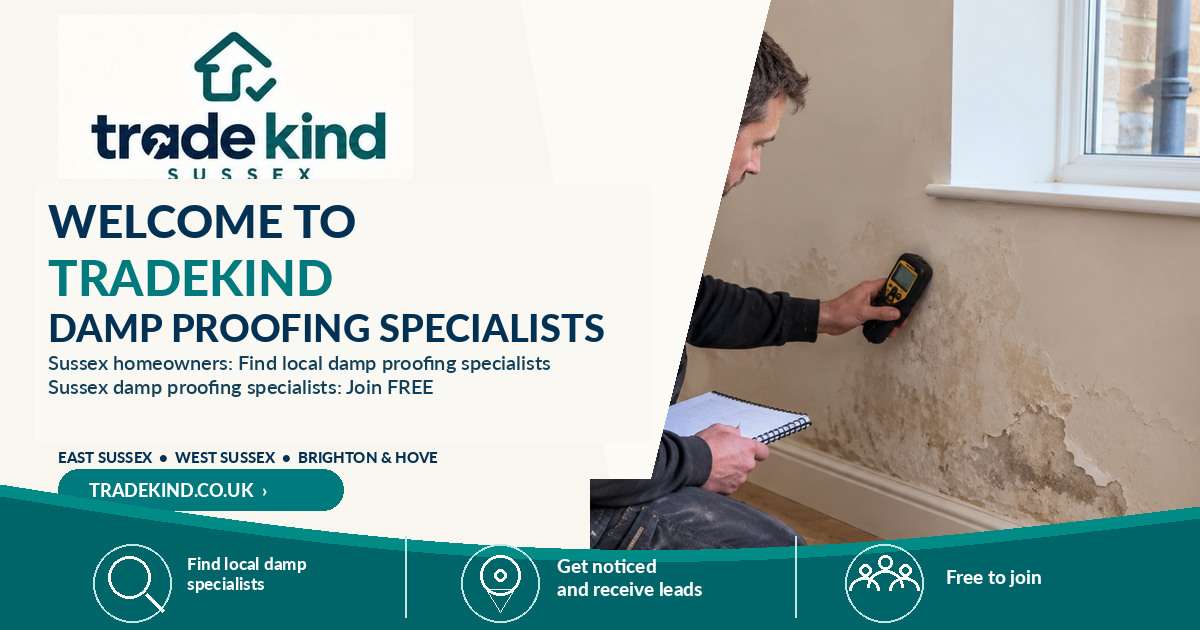
Moisture meters can help map patterns.
But a number on a handheld meter does not by itself tell you:
- where the water came from;
- whether salts are influencing the reading;
- whether a pipe is leaking;
- whether the wall is drying;
- whether rain is entering externally.
Ask the surveyor to explain how the readings fit the wider evidence.
External inspection is often essential
An internal damp patch may be caused by something outside.
Check for:
- overflowing gutter;
- leaking downpipe;
- cracked render;
- failed pointing;
- high paving;
- blocked air bricks;
- defective sill;
- roof defect;
- soil against the wall.
If the cause is a roof leak, roofers may be the right repair route rather than a damp-proofing system.
Ventilation should be assessed, not blamed on occupants
The government's updated 2026 damp-and-mould guidance for rented homes emphasises the health risks and the landlord's responsibility to address underlying causes.
A diagnosis can consider how a home is used, but “tenant lifestyle” should not be used as a shortcut to avoid checking the building.
Ask:
- do extract fans work?
- are vents blocked?
- are wet rooms adequately ventilated?
- are cold surfaces creating condensation?
- has insulation or window replacement changed the moisture balance?
The answer may involve both building repair and ventilation improvement.
Treatment should follow diagnosis
Depending on the actual cause, work might involve:
- roof/gutter repair;
- plumbing repair;
- external drainage/ground-level changes;
- ventilation;
- insulation/detailing;
- masonry repair;
- damp-proof course intervention;
- tanking or membrane system;
- removal of salt-contaminated plaster;
- controlled drying.
Those are not interchangeable treatments.
Ask the specialist to connect each proposed item to the diagnosis.
Beware of a treatment-only survey
If every survey seems to lead to the same proprietary system, ask:
“What finding would make you decide this treatment is not appropriate?”
A genuine diagnosis should be capable of producing more than one outcome.
It may conclude that another trade should repair the cause first.
Replastering can hide whether the cause is solved
Damp work often includes removing damaged plaster.
Ask:
- how high/wide removal extends;
- drying requirements;
- replacement plaster/system;
- decoration waiting time;
- skirting replacement;
- electrical socket work;
- who decorates afterwards.
Do not confuse a clean new finish with proof that the moisture source has been eliminated.
Landlords and property managers: keep an evidence trail
Current government guidance on damp and mould applies to social and private rented housing providers in England and was updated in April 2026.
Keep:
- tenant report;
- inspection notes;
- photos;
- diagnosis;
- readings where taken;
- repair orders;
- follow-up inspection;
- communication.
If health concerns are raised, treat them seriously.
The property file should show that the cause was investigated, not merely that mould was painted over.
Ask how success will be checked
A good plan includes a follow-up question:
How will we know this worked?
That could involve:
- no further leak during rain;
- drying over time;
- stable moisture pattern;
- improved ventilation;
- no recurring mould;
- follow-up inspection.
Some buildings take time to dry after the source is corrected.
Agree realistic expectations.
Using TradeKind
You can browse damp-proofing specialists across Sussex or post the problem.
A useful brief might say:
“Ground-floor front room in Hastings. Paint/plaster breaking down up to about 400mm on external wall. Worse over winter; front paving is close to internal floor level and downpipe is beside affected area. Want diagnosis before treatment quotation.”
That encourages an investigation rather than a pre-selected product.
Before approving treatment
Confirm:
- diagnosis;
- evidence;
- alternatives considered;
- external defects;
- plumbing;
- ventilation;
- exact treatment;
- plaster/making good;
- drying expectations;
- follow-up.
The right damp solution begins by naming the water source, not the product.
Frequently asked questions
How do I choose a damp-proofing specialist?
Choose someone who explains the likely moisture source and evidence before prescribing a treatment. Ask what alternatives were considered, what building defects need fixing first and how success will be checked afterwards.
Does a damp meter prove rising damp?
No single moisture reading should be treated as a complete diagnosis. Readings can be useful evidence, but wall construction, salts, leaks, external levels, ventilation and moisture patterns also need to be considered.
Can condensation look like penetrating or rising damp?
Yes. Moisture patterns can overlap, especially around cold surfaces and poorly ventilated areas. Diagnosis should consider occupancy, ventilation, temperature, external defects and plumbing as well as the wall itself.
Should mould be cleaned before the cause is fixed?
Mould may need safe cleaning, especially where health is affected, but cleaning alone is not a durable solution. The moisture source and conditions allowing mould growth still need to be addressed.
Can I post a damp investigation on TradeKind?
Yes. Include the rooms affected, height/location of staining, when it appears, external photos, plumbing or roof issues, ventilation details and your Sussex location.
Explore trades across Sussex
These are some of the main trades and Sussex areas you can browse on TradeKind. You can also explore many more trades, towns and villages across East Sussex and West Sussex, including Brighton & Hove.
Browse by trade
Can’t see what you need? Browse the full Sussex Trades Directory to explore more trades and areas.
Browse all trades and areasNeed a local Sussex trade?
TradeKind connects Sussex homeowners with local trades — free to use, with no hidden fees.